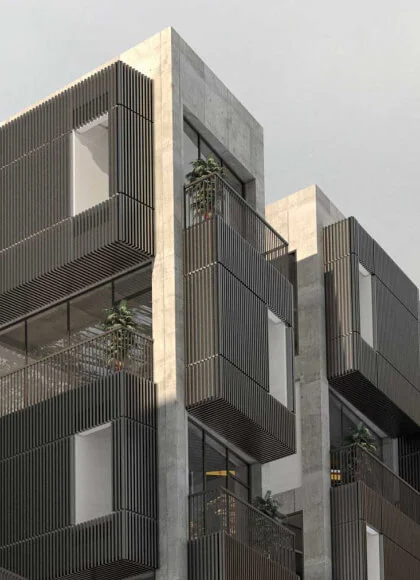
Commercial Real Estate: Strategies for Success in Modern Markets
Understanding Commercial Development Trends and Investment Opportunities
The Commercial Real Estate Landscape
Commercial real estate represents one of the most dynamic and lucrative sectors in the property market. From office buildings and retail spaces to industrial warehouses and mixed-use developments, commercial properties serve as the backbone of economic activity in cities worldwide.
Types of Commercial Properties
The commercial real estate sector encompasses various property types, each with unique characteristics and investment considerations:
Office Spaces
Modern office developments are evolving beyond traditional cubicles and closed offices. Today's workspace emphasizes:
- Open floor plans that encourage collaboration
- Flexible work areas that accommodate hybrid work models
- Wellness amenities including natural lighting and air quality systems
- Technology infrastructure supporting high-speed connectivity
- Sustainability features earning LEED certification
Retail Developments
The retail sector is undergoing transformation in the digital age. Successful retail properties now feature:
- Experiential spaces that offer more than just shopping
- Integration of online and offline retail experiences
- Dining and entertainment options to drive foot traffic
- Flexible layouts that adapt to changing tenant needs
Industrial and Logistics
E-commerce growth has driven unprecedented demand for industrial properties. Modern facilities include:
- Last-mile distribution centers near urban areas
- Automated warehouse systems
- Cold storage facilities for perishables
- Cross-docking capabilities for efficient logistics
Investment Strategies
Successful commercial real estate investment requires careful analysis and strategic planning:
Location Analysis
The old adage "location, location, location" remains paramount. Key factors include:
- Demographic trends and population growth
- Transportation infrastructure and accessibility
- Economic indicators and employment rates
- Competition and market saturation
- Zoning regulations and development potential
Financial Considerations
Understanding the financial aspects is crucial for making informed investment decisions:
- Cap Rates: Measuring the return on investment
- Cash Flow Analysis: Evaluating income versus expenses
- Financing Options: Exploring traditional and alternative funding
- Tax Benefits: Maximizing deductions and depreciation
Market Trends and Opportunities
Several trends are shaping the commercial real estate market:
Sustainability and ESG
Environmental, Social, and Governance (ESG) criteria are increasingly important. Properties with strong ESG profiles command premium valuations and attract quality tenants.
Technology Integration
Smart building technologies are no longer optional. Features like automated climate control, occupancy sensors, and predictive maintenance systems reduce costs and enhance tenant satisfaction.
Mixed-Use Developments
Combining commercial, residential, and recreational spaces creates vibrant communities and diversifies revenue streams.
Risk Management
Mitigating risks is essential for long-term success in commercial real estate:
- Diversification across property types and locations
- Thorough due diligence and property inspections
- Strong tenant relationships and retention strategies
- Regular property maintenance and updates
- Adequate insurance coverage
Conclusion
Commercial real estate offers significant opportunities for investors and developers who understand market dynamics and adapt to changing trends. By focusing on location, sustainability, and tenant needs, stakeholders can build successful portfolios that generate strong returns while contributing to community development.
About Rithy Tep
Understanding Commercial Development Trends and Investment Opportunities